
There is an old philosophical simile that says: we are in this life like a sentry at their post. The underlying thought is that we have a moral duty not to commit suicide. I have always found it to be a provocative and challenging thought. We have a personal duty to hold the line against the forces of despair, because if we break, the enemy will break through and the battle will be lost. Our comrades will fall. We will have let them down. You need to stand your ground.
Over time, I have come to question the militaristic connotations of the ‘sentry’. It implies that life is like a battle and we have a duty to fight it, but I don’t think we should assume that life must be like a battle and that living is only ever fighting. It implies that other people are in the trenches fighting with you, but that is rarely the case. Most people are more like generals than comrades, offering instructions from a comfortable place far behind the battle lines. You often face the fight alone. Besides, it can get tiring fighting a constant lonely battle, and everyone has their limits, and it might seem sensible to wave the white flag when you are faced with overwhelming forces. When you are depressed, you feel alone and abandoned; it feels like the fight is already lost. It is difficult to conjure up a sense of duty when you look left and right and see nothing to stand for.
But there remains a powerful truth in the simile, I think, and it’s a truth that deserves to be preserved. So I say: We are in this life like a lighthouse keeper at their post.
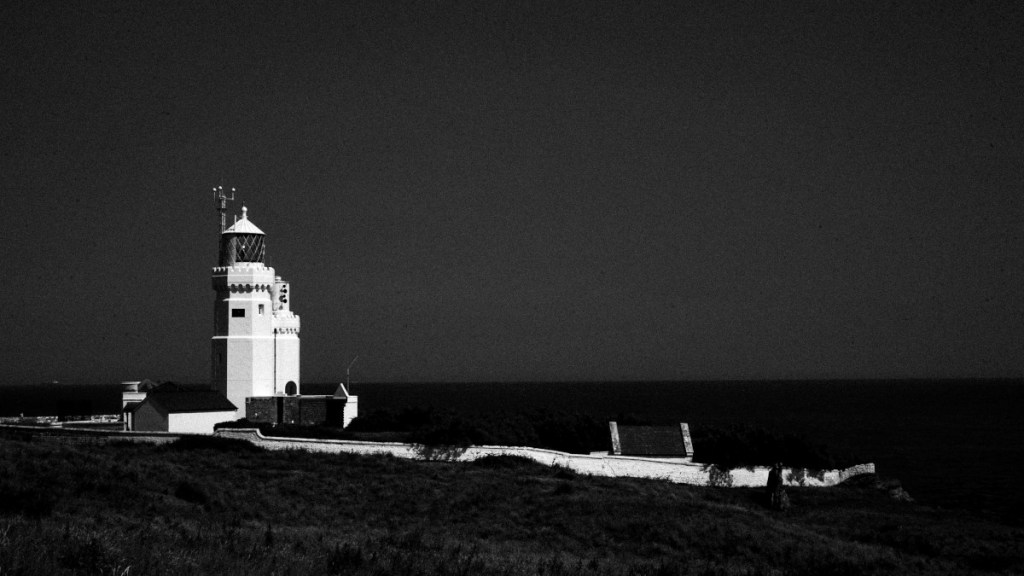
You are a lighthouse keeper, and you keep the light alive in order to protect ships out at sea. You stop them from crashing onto the shore in bad weather. If you abandon your post, the ships will wreck. It’s on you to prevent that. You have a duty to keep your light alive.
When you are depressed, it seems like you are alone and surrounded by darkness. You cannot see your own light. Other people seem like ships out at sea. You can’t see them, you can’t connect with them. Often you can’t tell if they are there at all. They pass in a world beyond your reach. But they can see you. They can see you better than you can see yourself. They depend upon that. You keep them from crashing. And all you need to do is stay at your post.
You are here for whatever reason you choose to be, but in absence of any other reason, you are here for them. That is not something you can choose; it is put upon you. It is your duty. Do not abandon your post.
Philosophy, when properly understood, is medicine for the soul. But it is often a bitter medicine and difficult to swallow. This simile is a good example of that. The thought suggests that suicide is a dereliction of duty, a moral failing, that the suicidal person is at fault if they commit the act. It will sound harsh to modern ears, carrying a note of victim-blaming. But there is a precarious tightrope to walk when talking about suicide because victims are also perpetrators. Besides which, a well-trained philosopher will tell you that death is nothing to the one who dies (for when they are dead they are no longer around to experience it), and so the true victims of suicide are those left behind. The dead do not suffer the consequences because for them the suffering is over. But for those left to deal with suicide, a new suffering has just begun. This is why people say that suicide does not end your pain, it just passes it on to someone else.
And so, hard and bitter though it is, I think we should hold on to the idea that suicide is something done and not only something suffered. Otherwise we risk losing sight of a profound moral duty, of inadvertently excusing a dereliction of duty. In doing so, we allow suicide to be easier than it could be, when we should be doing all we can to make it more difficult. We must retain the ability to say with sense: People ought not commit suicide. They ought to stick it out with the rest of us.
Read more: Think Well, Live Well: A Free Introduction to Philosophy
 tobybetenson.com