
Whenever I consider introducing philosophy to people, it always seems like it’s the wrong time: too late for the old, because they don’t have time or inclination to change themselves, and too soon for the young, because they don’t understand why it could be needed. Only the young person who has suffered knows why you might need to defend yourself against life with an art of living.
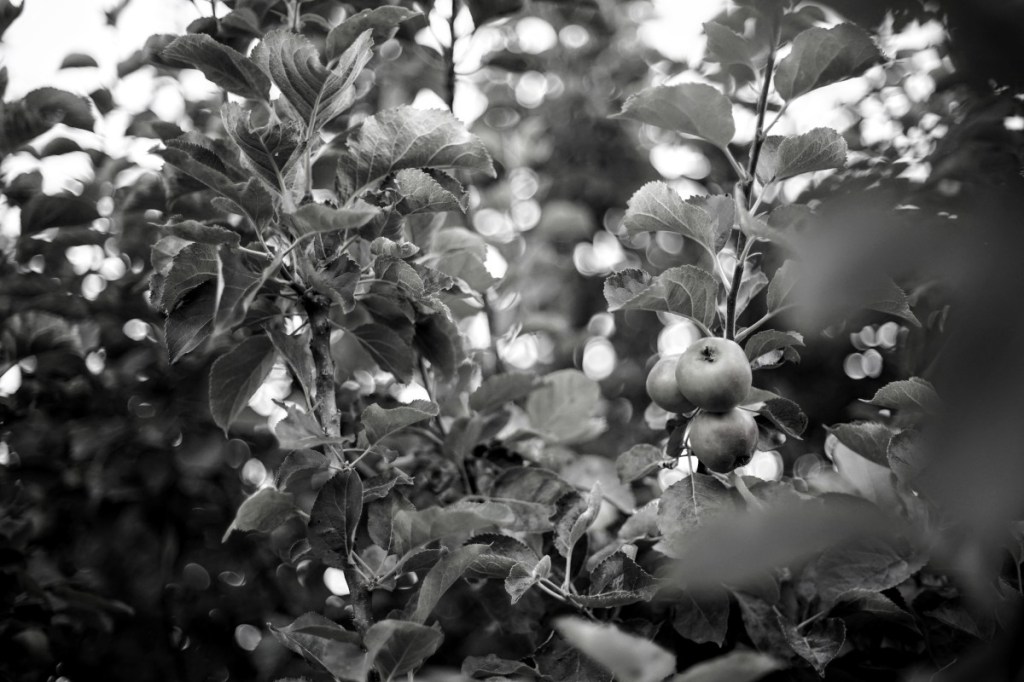
A philosopher can only offer what they have, which is philosophy. But philosophy is made of ideas and ideas are only seeds. Seeds are not fruit. Some of these seeds might take root and become a tree, and this tree might produce fruit when the season arrives. Philosophers can give you seeds, but planting them, growing them, harvesting the fruit: that is your business.
Philosophers have been planting fruitful seeds for 2,500 years. But the fruits of philosophy are trite platitudes unless you cultivate them for yourself. I can tell you to ‘know thyself’ and ‘align yourself with nature’ and ‘do what you have good reason to do’, but unless you understand why these things are true and what makes them true then they are meaningless to you. It’s not the words but the understanding that makes a difference.
Philosophy changes your way of seeing the world and the things in it. Like learning how to play chess: first there are just random shapes on a chequered surface, then there are pawns and kings and bishops, then there are good strategies, bad moves, seeing two moves ahead, etc. Your perspective changes as your understanding of these things progresses. You come to see more meaning in them. You look past the random shapes and come to see what the shapes represent.

Philosophical understanding is often a matter of coming to see the same familiar things in new and different ways. When you learn something in philosophy, the world doesn’t change: you do. The change is in you, not in your circumstances or in what happens to you. That is why it is so powerful and such a lasting solution. Because it is in you, it is always with you. It is always to hand and cannot be taken away. It depends on nothing but itself.
The fruits of philosophy are a cultivated capacity to think well and a practised ability to live in accordance with good judgement. In other words: wisdom and ethical excellence. With this comes contentment, freedom from trouble, and invulnerability to misfortune.
The seeds of philosophy can be taken freely from good philosophers and all great philosophical writing. If you want to benefit from these then you need to find them, plant them, and nurture them for yourself. It will grow in time: first a shoot, then a sapling. Look after the tree and the fruit will take care of itself: it will come in its appointed season.
The problem is that it’s spectacularly tone deaf to offer someone seeds when they are starving. And whilst people are constantly fed junk they will never understand why they might need to grow anything for themselves. I don’t think this is my business, to offer and refuse and haggle over the value of seeds. I think my business is cultivation.
Read more: Think Well, Live Well: A Free Introduction to Philosophy
 tobybetenson.com