
Diogenes the Cynic sees a mouse, happily running about, not looking for money or prestige, and finds a lesson in the mouse’s behaviour: Diogenes says the gods have given us an easy life but we’ve made it difficult for ourselves by overlaying it with nonsense.
Even in Diogenes’ time, to talk of ‘the gods providing’ would be taken metaphorically. This is all the more true in our more secular time. So we can replace ‘the gods’ with ‘nature’ here and the effect is the same. Nature has given us a relatively easy life but we’ve overlaid it with nonsense. We make life difficult for ourselves by wanting more than our nature needs. Diogenes implores us to realise this, offering us a walking talking living breathing lesson with his own example.
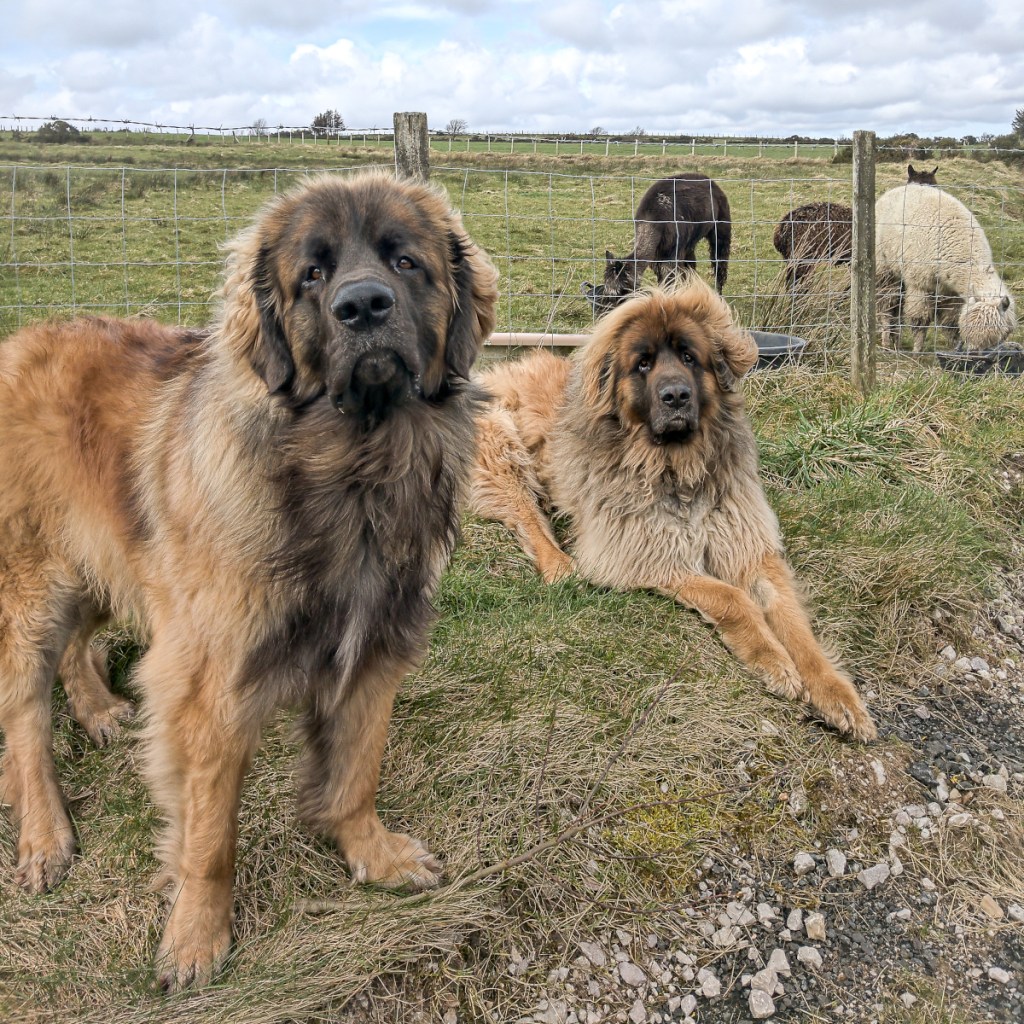
Diogenes took a lesson from the example of a mouse and chose to live ‘like a dog’. Not exactly like a dog, obviously, because Diogenes was a human being. Diogenes tried, in the spirit of radical self-reliance, to eat raw meat (like a dog), but it made him ill. So he stopped eating raw meat. The lesson of the mouse and the dog is not to do as they do, but to live as they live. Non-human animals live according to their nature, and nothing more. In doing this, they naturally avoid all the temptations of decadence and vanity to which human beings are so susceptible. All that superficial nonsense means nothing to a dog, because they care about only what matters to them according to their nature.
How often do you see dogs fretting about their wealth or status, regretting the past, or struggling to decide what they want and how they should live? And yet how troubled are we, the supposedly more ‘intelligent’ animals, about these things? Perhaps we would be well served to follow the dog’s example.
As clever as we can be, we are often extraordinarily stupid. We keep placing value on the wrong things. Things of great value – like philosophy or basic food – are sold for almost nothing, whilst things of no real value – like flashy displays of wealth and status, mere images of images (or even images of images of images, like NFTs) – are sold for a fortune.
True wisdom, for the Cynics, lies in valuing only what is natural and basic and necessary. Human beings are animals that need what all animals need, but we are also rational animals that can think and choose. Cynic wisdom consists in using that rationality to align your choices with your natural requirements. In a perfect Cynic, your natural responses, your wants and fears, would align with your natural requirements. You would want only what you need and fear only what you must. You would be indifferent to everything else. If you can do that then you will be as free and untroubled as it is possible for you to be.
The Cynics say that such a life would be easily provided for by nature. Satisfying our basic needs is not that hard. (And they were saying this over 2,000 years ago. How much truer would this be nowadays, with our technological advantages?) Nature has made life easy for us, but we have made it difficult for ourselves by wanting more than we need and fearing more than we must. This is an easy mistake to make but one that needs to be corrected. And nature has been good enough to provide us with what’s needed to correct this mistake: our capacity for philosophical reason. Once this capacity is cultivated, which you can learn from philosophers like Socrates, you can come to understand just how unimportant so much of the nonsense that human beings occupy themselves with really is. And when you understand all that nonsense to be worthless, you can forget about it and focus on satisfying your natural needs. A life of easy contentment will follow.
Align your will with nature. Want only what you must want; fear only what you must fear. This, for the Cynics, is the lesson of philosophy, and this is what it means to live a virtuous human life. Because human beings are rational animals, with an animal’s needs and a philosopher’s understanding. Satisfy both and you are doing what nature has equipped you to do. Like a mouse living a mouse’s life or a dog living a dog’s life.
Read more: Think Well, Live Well: A Free Introduction to Philosophy
 tobybetenson.com