-
Against the Standards of Society
It’s not unusual for people to go against the norms and standards of society, only ordinarily they do it for the wrong reasons: they claim rewards that they don’t deserve; they assert knowledge that they don’t have; they lie. The difference between the ordinary person and the philosopher is that when the philosopher violates social norms, they do it for the right reasons. We refuse the reward when most people would claim it; we deny knowledge when most people would assert it; we tell the truth when most people would lie.
-
Do not argue about what a good life is: live it
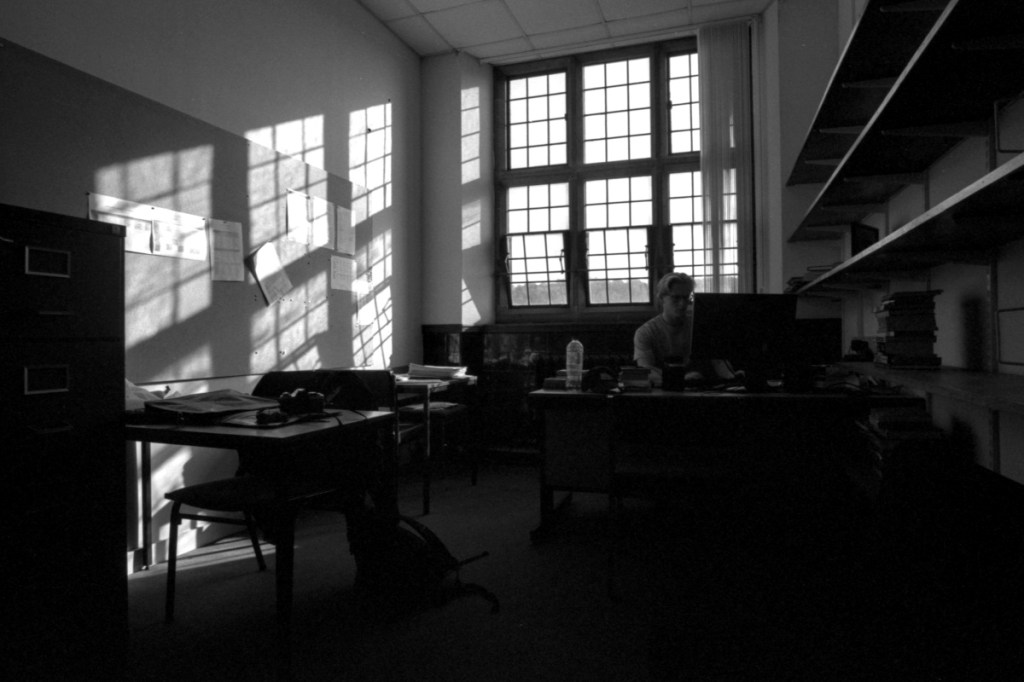
You need to think well in order to live well, and coming to understand what it is to think and live well is the proper business of philosophy. The process of philosophy, with all its theories and methods and technical discourse, is necessary to gain this understanding, but it is not the final end of this activity. We should at some point leave it behind. […]
-
Romanticism and Livestock Farming
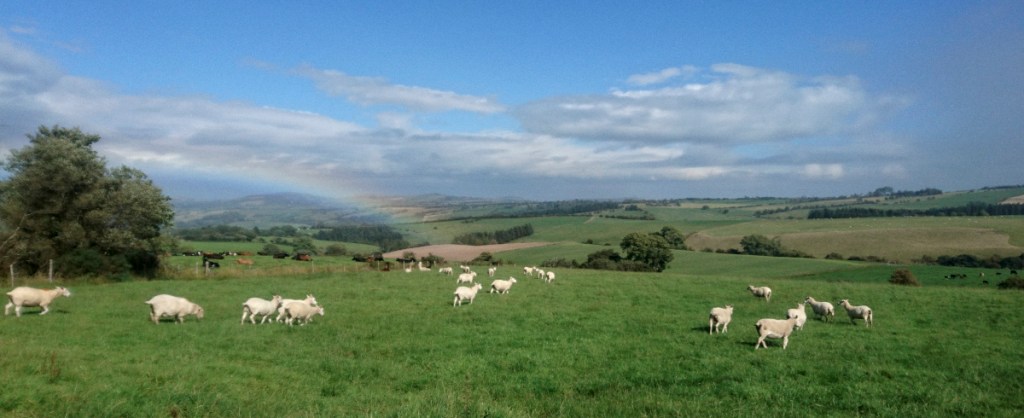
Those who speak positively about livestock farming are often accused of having fallen into an insidious ‘Romanticism’. They view these idyllic pastoral scenes with overly-sentimental eyes, and this clouds their judgement. Is this true? If it were, it might be a problem: it is important to see things clearly – undistorted – and sentimentalism is one of the many distortions of thought that can creep in, like prejudice and other forms of bias. […]
-
The Livestock Landscape
It is difficult to correct a misperception when it has become established: people tend to see what they believe, and so if they believe wrongly, they will see wrongly. I want to show you some images that I think speak for themselves. They show two different landscapes. One of these landscapes reflects the reality of growing vegetables in contemporary Europe. The other reflects the reality of livestock farming in contemporary Europe. […]
-
The Environmental Impact of Beef Consumption: The Meaninglessness of the ‘Global Mean’
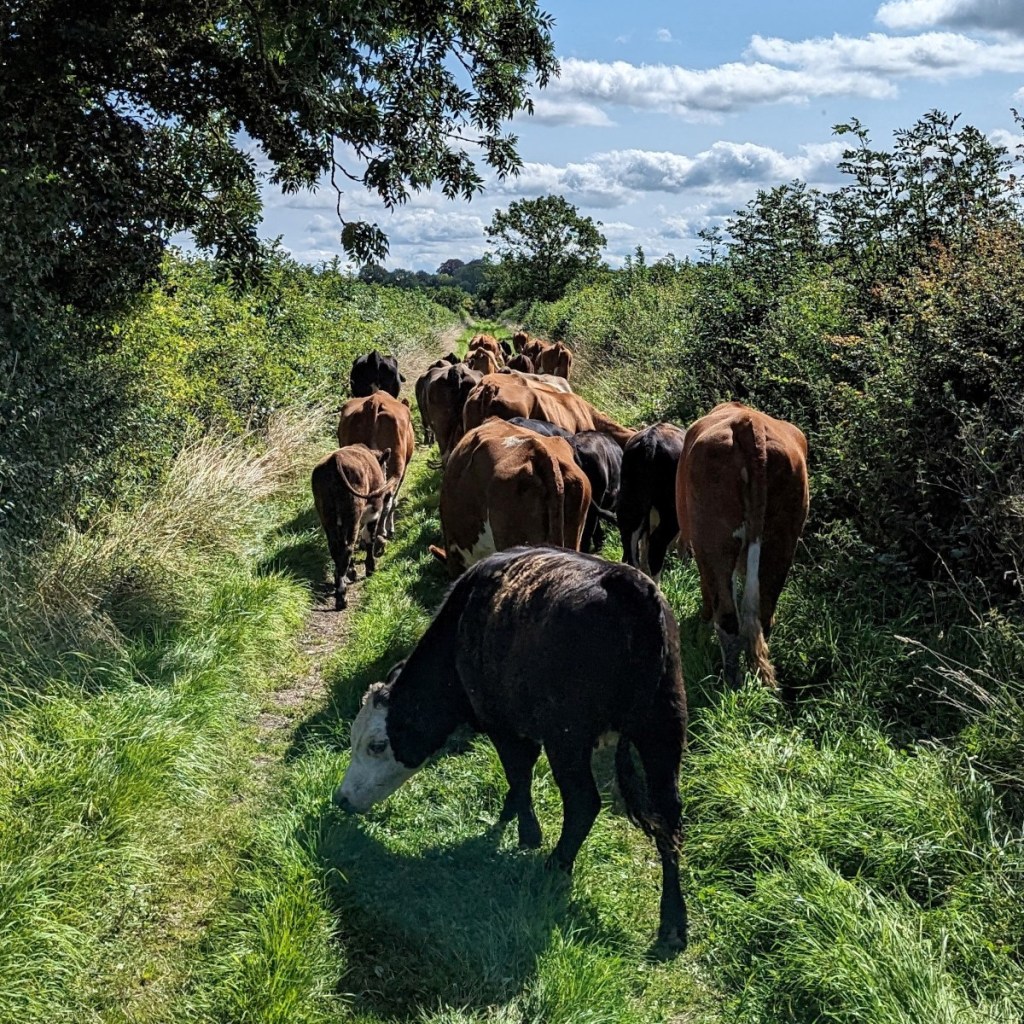
When statistics for the environmental impact of beef consumption are presented, they tend to be based on the ‘global mean’. This ‘global mean’ is meaningless in the UK. Two of the biggest variables in its calculation are deforestation and intensively growing crops as feed for livestock. But it’s absurd to think that these things are serious problems for beef consumption in the UK. […]
-
Diogenes the Cynic
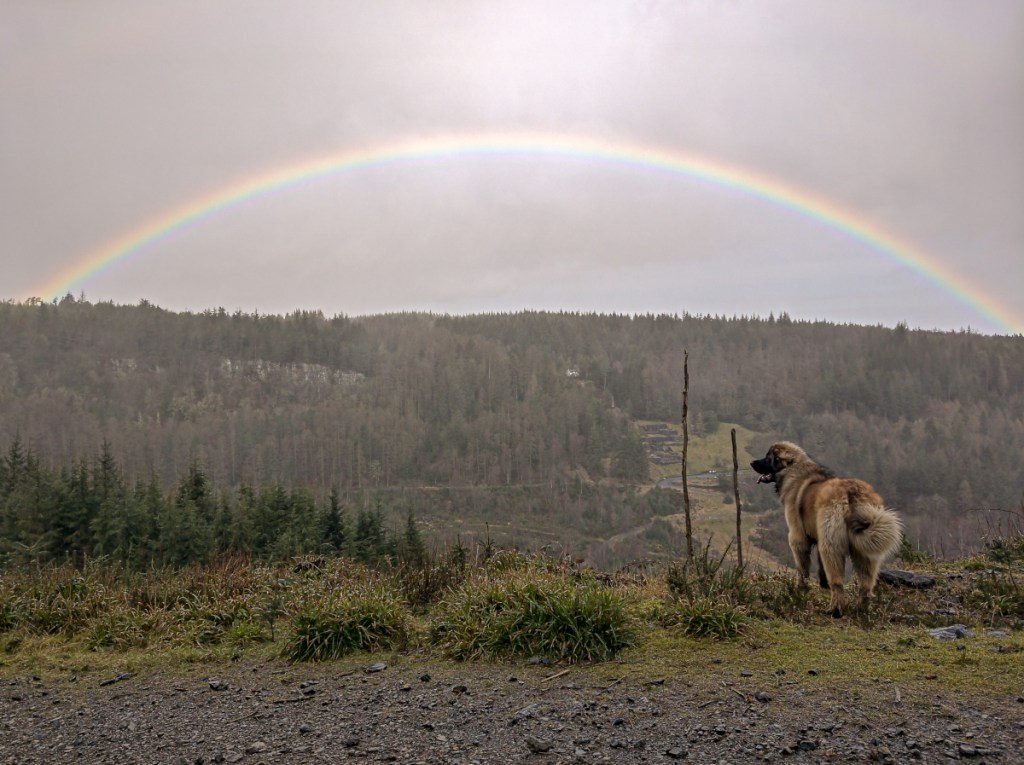
Diogenes sees a mouse, happily running about, not looking for money or prestige, and finds a lesson in the mouse’s behaviour: Nature has given us a relatively easy life, but we’ve overlaid it with nonsense. We make life difficult for ourselves by wanting more than our nature needs. Diogenes implores us to realise this, offering us a walking talking living breathing lesson with his own example. […]
-
Natural Self-Interest
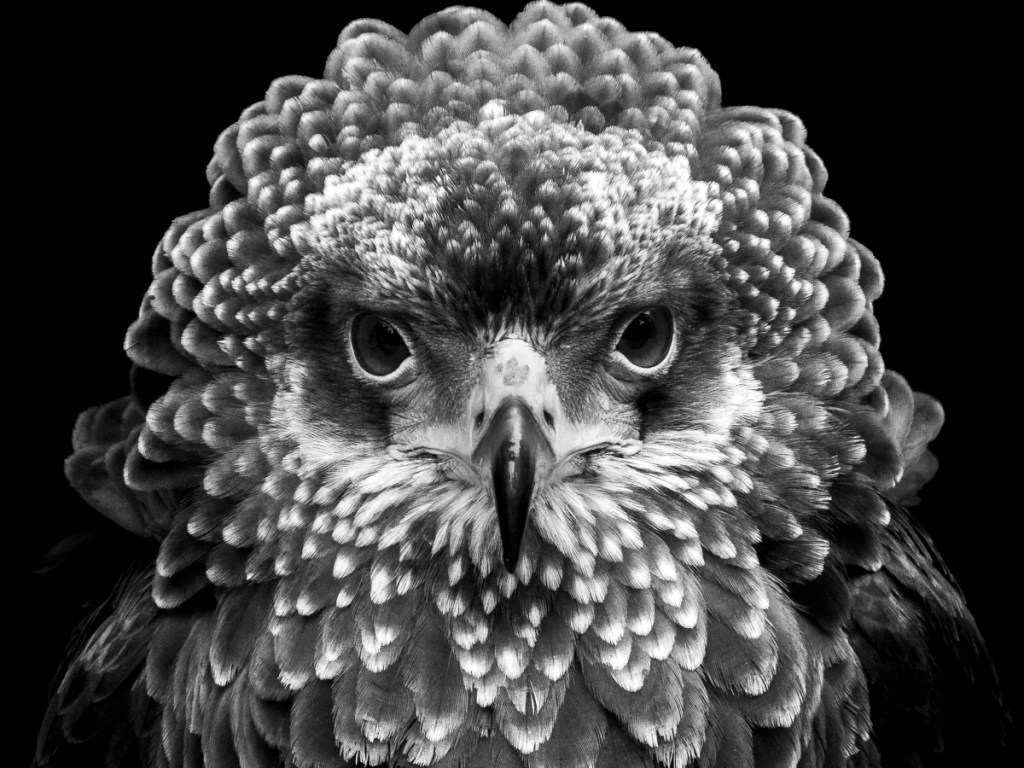
Over the ages, many philosophers have looked to ground ethics in our natural and apparently innate tendency towards self-preservation. It is often termed ‘self-love’: we have a deep need to look after our own interests. An infant cries when its needs are not met; an adult wants what pleases it. This would seem to be a truth so universal that we would call it a natural law, like gravity. […]
-
Plato’s Tripartite Soul
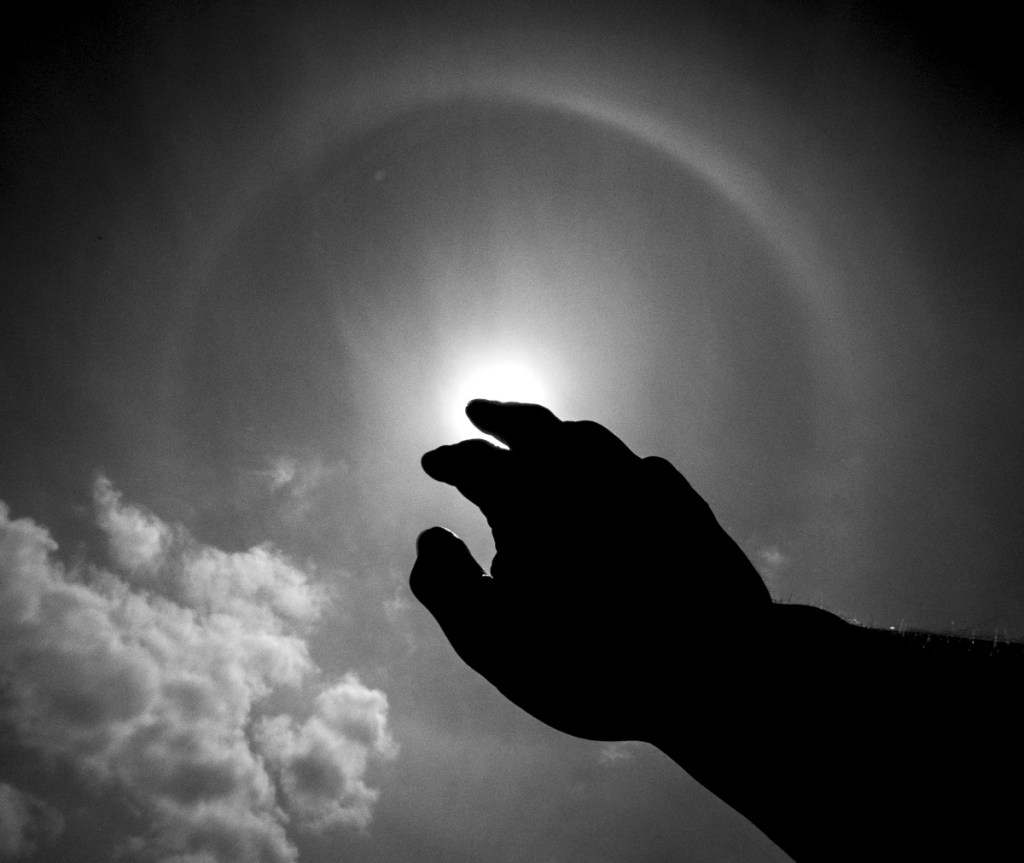
Reflect on yourself: your personality, your desires, your actions and thoughts, your body, whatever you care to think of as being something that makes you what you are. Do you find it to be in unified agreement, pushing you in the one same direction, or do you find it to be in disagreement, pulling you in different directions at one time or another or even at the same time? For me, as I suspect would be true for many people, it is the latter. […]
-
Aristotle’s Practical Wisdom

According to Aristotle’s view, wisdom lies in the ability to identify and choose the happy middle, for you, relative to yourself and your purposes. One part of this is philosophical: you need to look, think, and understand what the happy middle is, for you, for any given virtue. The other part is practical: you need to choose what you identify as the happy middle. This choice is an action; it is something that it done, not only something that is thought about. […]
-
Aristotle’s Happy Middle
Look around you, and have a think, and draw up a list of qualities that some people have that you admire or appreciate. What comes to mind? It’s not for Aristotle (or me) to list the virtues, nor identify their purposes, because you can do this for yourself based on your own observations and reflections. What Aristotle points out is that virtues are very important, but you can have too much of a good thing. […]

An experiment with philosophy as a way of life
 tobybetenson.com