-
The Courage of Cynicism
I love the Cynics and I wish I were courageous enough to be one. I think they are essentially right in everything they say. A student once expressed surprise at this, when I said as much in a lecture, pointing out that I had celebrated Socrates’ prioritisation of the ethical. Weren’t the two incompatible? Socrates says there is nothing more important than living a decent life; the Cynics go around spitting in people’s faces and generally causing trouble. However you justify it, there’s not much ‘decency’ in Cynic life. I think that’s true, and I was glad to have the…
-
Shouting from the Sidelines
I’ve often thought there’s something absurd about a philosopher shouting from the sidelines of society, accusing everyone of being miserable. Most people seem quite content to go about their business; they don’t seem particularly tormented by being in ordinary society; it’s only the philosopher that is. Who is more miserable here? The one who is happy in the world or the one who lives outside of it? But then I look at the brief biographies of famous and successful people, or our leaders, the great and good, the paragons of ordinary society, the pictures of success, and although it is…
-
Look Beyond the Body: The Phaedo
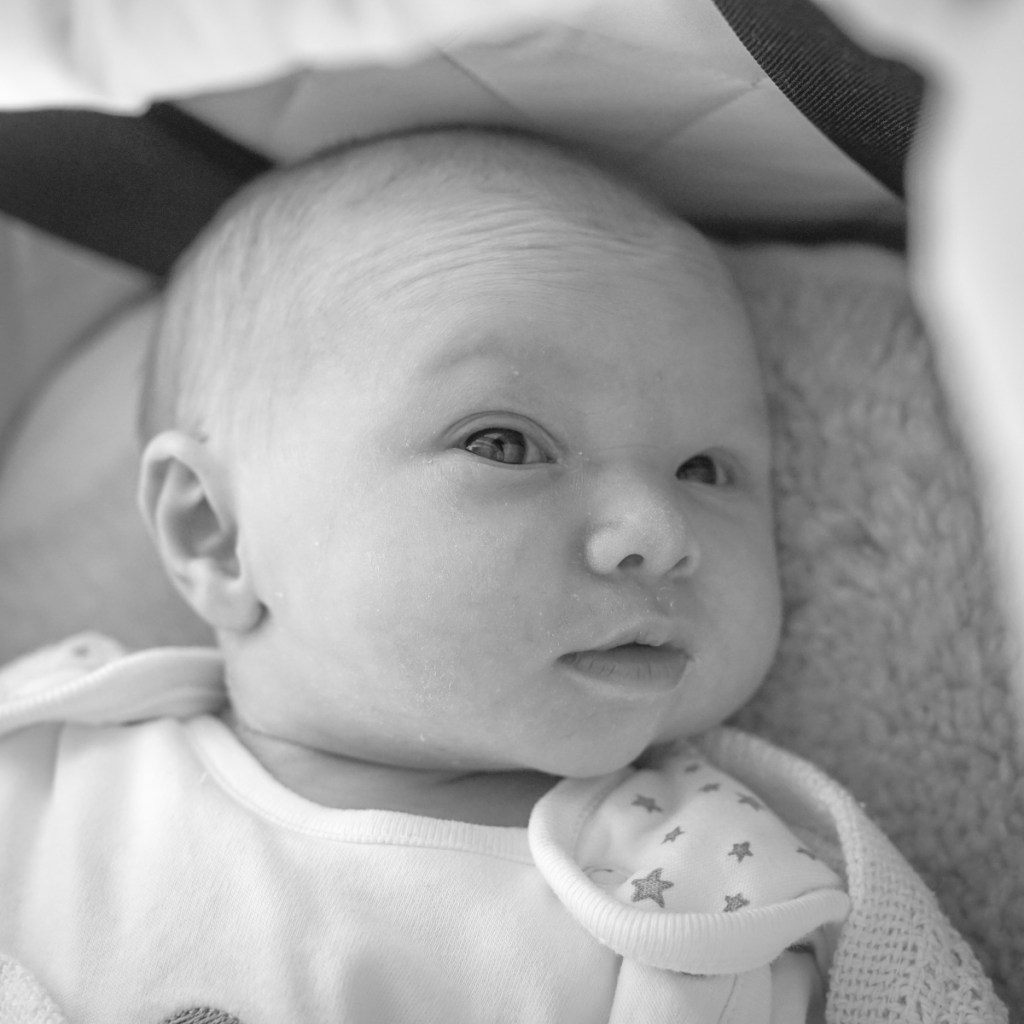
‘It’s easy to get caught up in material reality and forget what really matters. Caring for a newborn infant is a particularly clear example of this. Your life is made up of activities necessary for the care and maintenance of a body: feeding and cleaning and sleeping, inputs and outputs; these are all material measures. It’s easy to let those measures dominate your perspective and determine what you see. That would be a mistake. It only takes a moment’s philosophical reflection to see that your baby is more than just their body. They are not only a physical thing but…
-
Philosophy is a Fruiting Tree
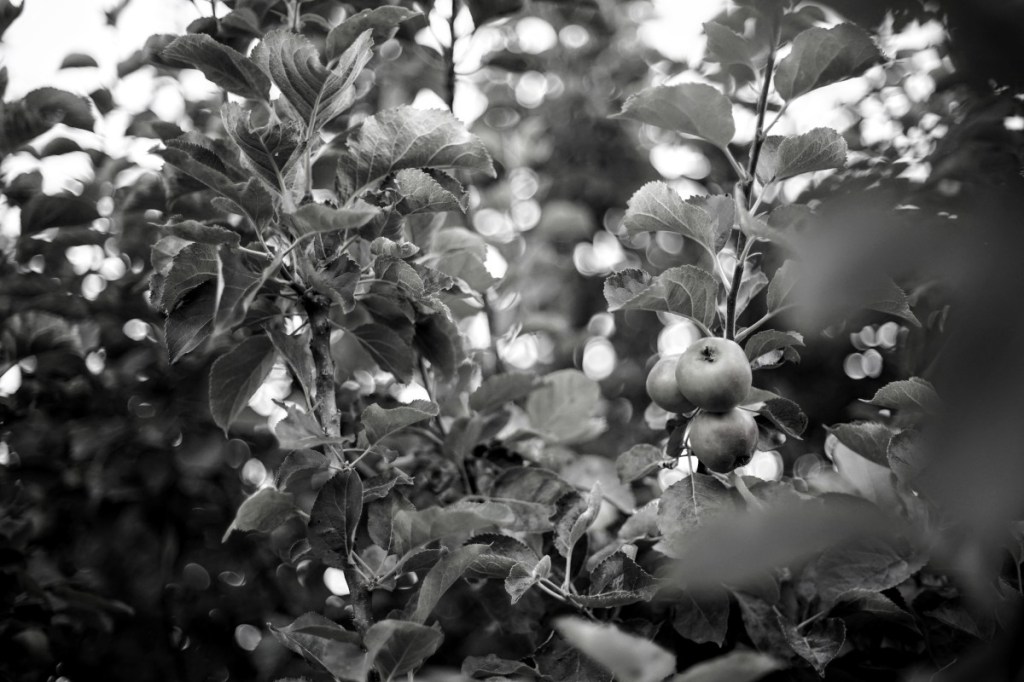
Whenever I consider introducing philosophy to people, it always seems like it’s the wrong time: too late for the old, because they don’t have time or inclination to change themselves, and too soon for the young, because they don’t understand why it could be needed. Only the young person who has suffered knows why you might need to defend yourself against life with an art of living. A philosopher can only offer what they have, which is philosophy. But philosophy is made of ideas and ideas are only seeds. Seeds are not fruit. Some of these seeds might take root…
-
The Call of Callicles
‘Is he serious or is he joking?’, asks Callicles, having heard Socrates philosophise. Socrates says he is serious. But for Callicles it’s all too absurd to take seriously. To prefer to live miserably under a tyrant than happily as a tyrant? To prefer to suffer wrong than to do it? To prioritise wisdom and ethical excellence over pleasure, money, reputation, popularity, and power? No one in their right mind would choose this, says Callicles, and he’s heard enough. It’s time someone told Socrates some home truths. What follows (in the Gorgias) is a damning tirade against the philosophical life. Callicles…
-
The Plan of Life: The Timaeus
Everything makes more sense when you look at the plans. Like assembling flat-packed furniture. Open the box and it looks, at least to the untrained eye, like chaos that makes no sense. You study the parts and see no meaning in them. But study the plans and now you can see that this particular shape is the front of a drawer, these the sides, these the runners, etc. You follow the instructions and try to make it look like the image on the box. The plans enable you to build order from chaos. A trained eye can see things differently.…
-
How to Die Well: The Phaedo
What is the Phaedo? Most summaries will say that it is a dialogue about the immortality of the soul. In it you will find some arguments for and against this claim (mainly for). Whilst dying, Socrates argues that he is not dying but only being separated from his body. His body is dying, for sure, but he is not his body: he is his soul and the soul cannot die. Or so he says. What does the Phaedo show? It shows Socrates dying and dying well. He is calm, serene, even cheery. He does not hesitate to take the poison.…

An experiment with philosophy as a way of life
 tobybetenson.com