-
Theodicy is Morally Insensitive
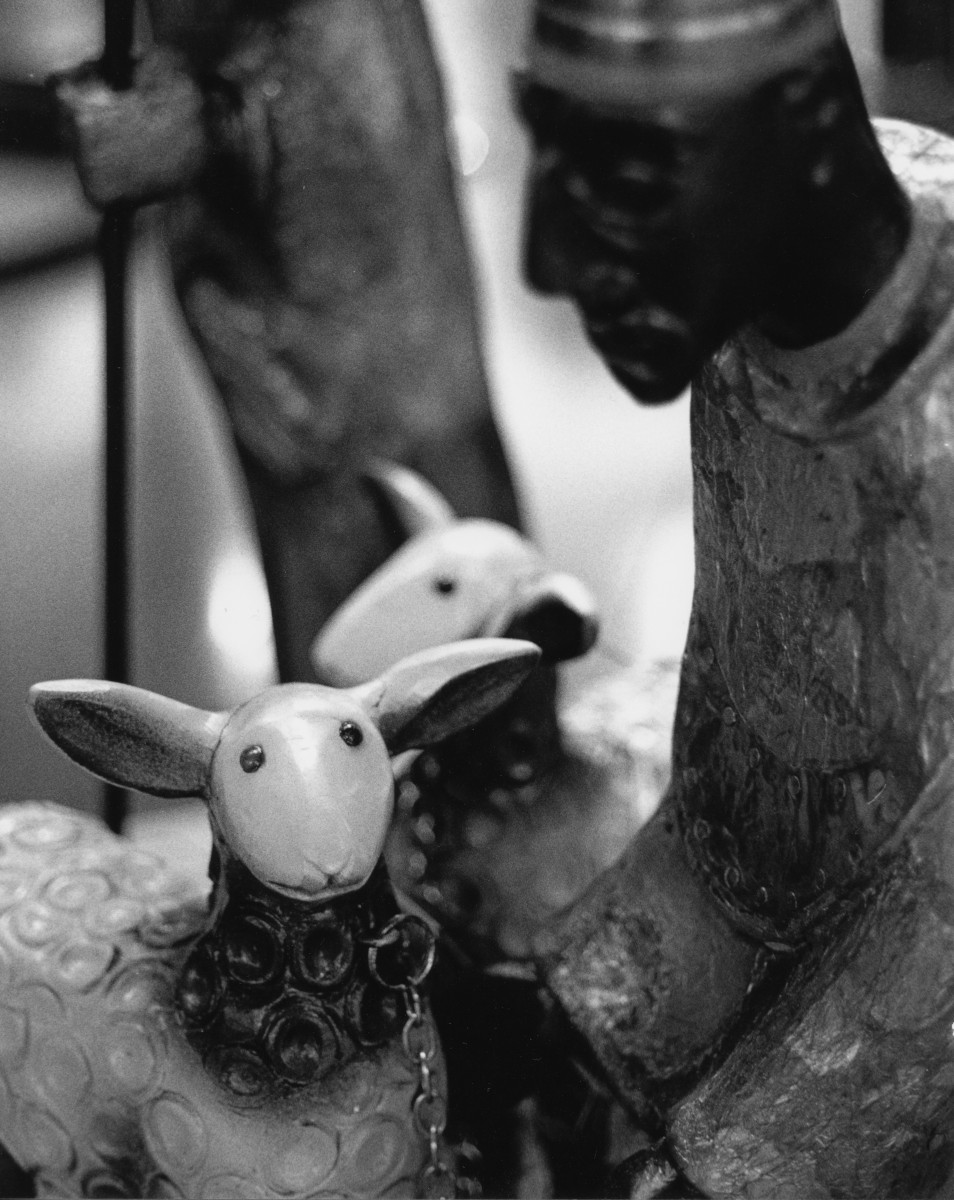
Theodicy doesn’t take the evils of the world seriously enough. It’s always trying to downplay and diminish and claim that things aren’t as bad as they seem. In the construction of theodicy, routine examples are used such as trips to the dentist, cars breaking down, or discordant music. You’ll rarely find a theodicy explicitly discussing the worst evils in the world. Not many theodicists are willing to openly defend the value of child abuse or genocide. They stick to the easy cases. […]
-
What is Moral Anti-Theodicy?
If theodicy is the attempt to offer a morally-sufficient justification for the evils of the world, moral anti-theodicy is the morally-motivated rejection of that justification. Moral anti-theodicy doesn’t dispute that it’s possible to solve the problem of evil in the way that theodicy suggests; what it disputes is whether it’s permissible to solve the problem of evil in this way. To paraphrase a “famous scientist”: Theodicists spent so much time wondering if they could find a justification for all the evils of the world, they never stopped to think if they should. […]
-
The Protagoras: How To See What Isn’t Said
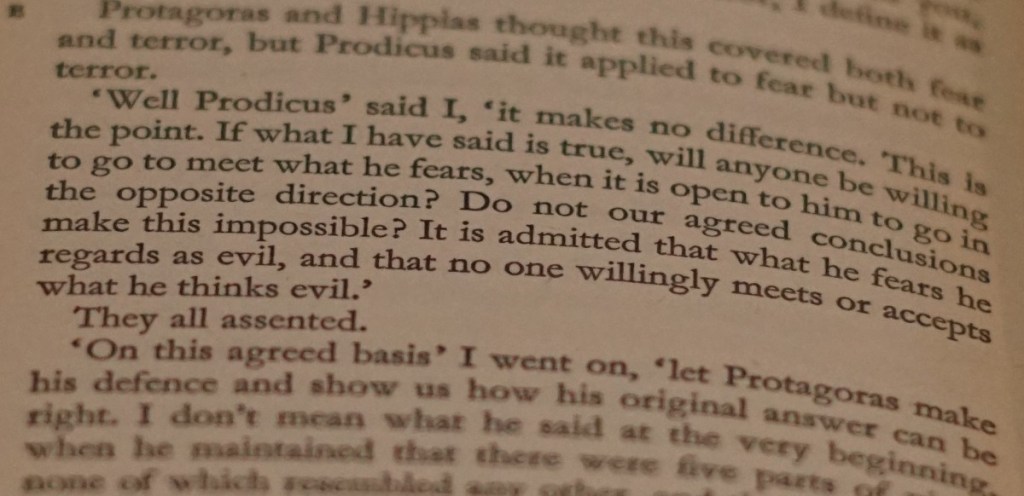
Read superficially, the Protagoras doesn’t appear to tell us much of any use that isn’t told better elsewhere – unlike the Meno, which has some more memorable features – so if you’re teaching (or learning) an introductory course on Plato, you might be inclined to skip this one altogether. That would be a shame, because it’s another excellent example of Plato’s ‘writing with layered intentions’; and if you can uncover the meaning in the Protagoras, you will be well-equipped to discover more meaning in the other Platonic dialogues. […]
-
The Problem of Morally-Impossible Evil
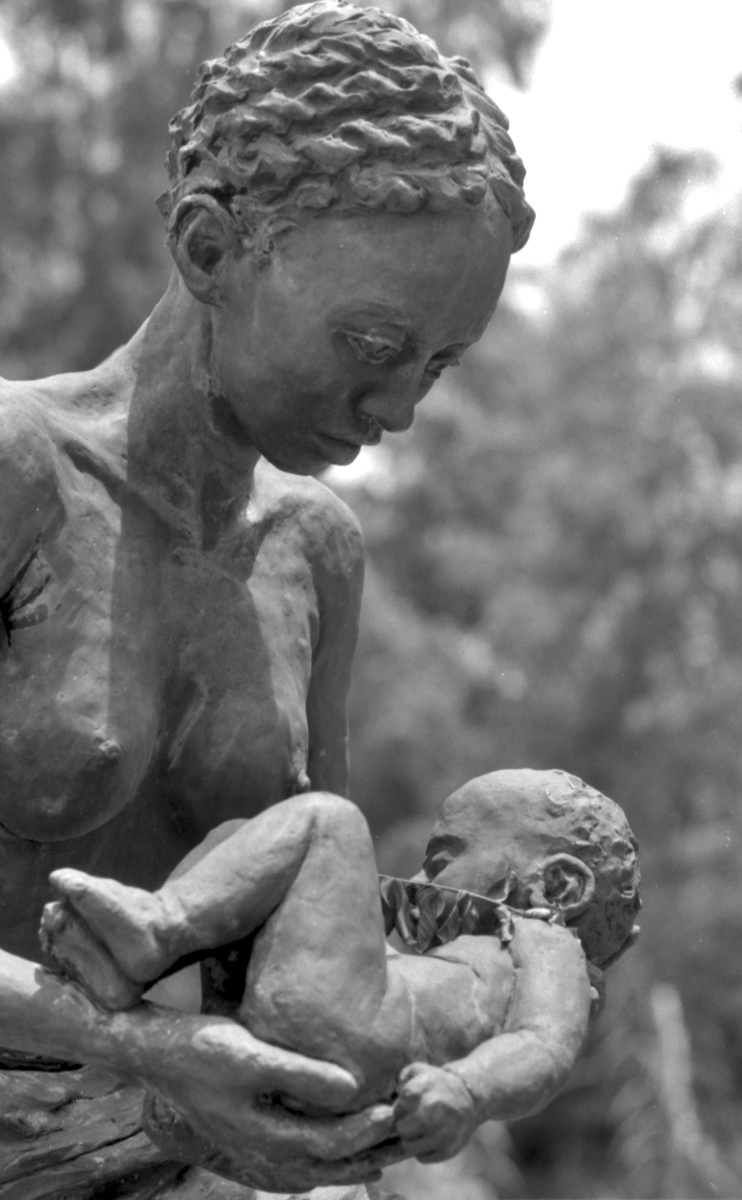
Philosophers will say that there is no essential inconsistency in the so-called ‘inconsistent triad’ of the problem of evil: God is good, God is powerful, evil exists. Perhaps they are right, if we are talking about physical or metaphysical necessity. But if we are talking about moral necessity, I think they are wrong. […]
-
Sketch of Sceptical Theism
This is a sketch of sceptical theism. It is only a sketch: you will have to go and consult the literature to find this view fully and better expressed in all its glorious technical detail. We are asking why a good God allows bad things to happen. If we’re not going to answer with a theodicy, another answer is available: we don’t know. But we shouldn’t be surprised that we don’t know. […]
-
Sketch of a Theodicy
This is a sketch of a theodicy: an attempt to solve the problem of evil by offering a justification of God’s permission of evil. It is only a sketch: you will have to go and consult the literature to find these theodicies fully and better expressed in all their glorious technical detail. We are asking why a good God allows bad things to happen. There are classically two answers to this question: a) It’s good for us, and/or b) it’s our fault. […]
-
What is the Problem of Evil?
The problem of evil is the problem of reconciling belief in a good and powerful God with a sincere recognition of the evil and suffering that exists in our world. This problem is often expressed as an ‘inconsistent triad’: God is good; God is powerful; evil exists. It seems, at least at first glance, that if either two of these propositions are true then the third must be false. If God is good and powerful, then why would God let bad things happen to good people or otherwise innocent creatures? […]
-
The Product of Philosophy
The function or task or proper work (ergon) of philosophy is only to think well. But in thinking well, you realise that our purpose or goal or aim (telos) as human beings is to live well; by which we mean to live in a way that is ethically excellent, among other things. And so the product of philosophical activity becomes just that: to live well by thinking well.
-
A Philosopher’s Verse
Is this the purpose of philosophy / Just to know, and not to be? / Just a show so not to see / Your own lived inconsistency? […]
-
The Meno: How to See What Isn’t Said
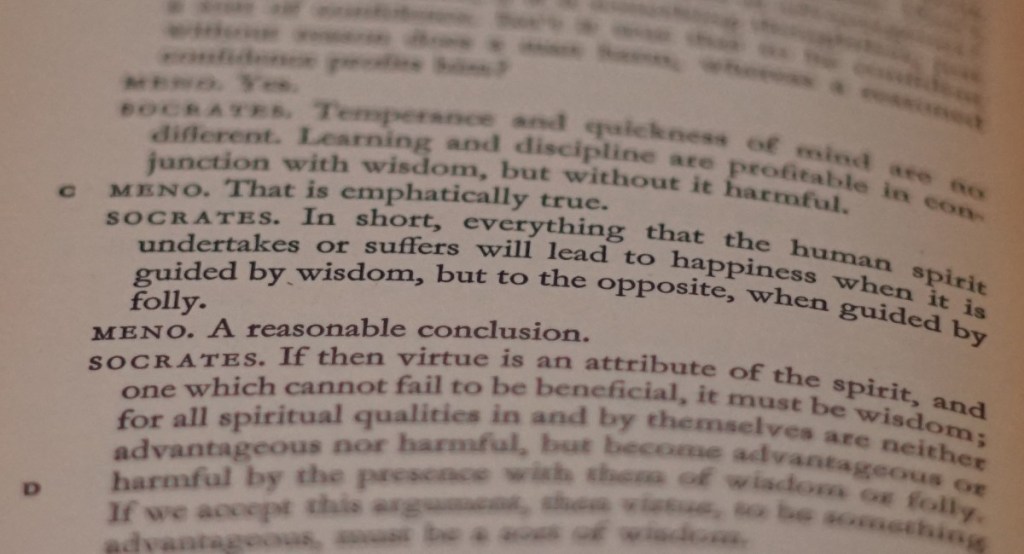
The Meno is one of the most complicated yet clear examples of Plato’s way of ‘showing one thing whilst saying something else’. Elsewhere I’ve described this as writing with layered intentions: on the surface there are some philosophical arguments with which you may or may not agree; beneath that there is a show of doing philosophy in a certain way; and beneath that there is a provocation to do it yourself. What’s on the surface isn’t really what the dialogue is about. […]

An experiment with philosophy as a way of life
 tobybetenson.com