-
Rochefoucauld’s Troubles
Rochefoucauld observes: ‘Philosophy triumphs easily over past evils and future evils; but present evils triumph over it.’ But I say: Where philosophy is, troubles are not; and where troubles are, philosophy is not.
-
No Experts
There are no experts in my field because those who understand the most would say that they know the least, and those who understand least say they know most.
-
Nature, Society, and Government
Society is necessary for human beings to overcome the difficulties of nature. Society ameliorates some of these difficulties but adds an entirely new set of difficulties. Government is necessary to overcome the difficulties of society. Government ameliorates some these difficulties but adds an entirely new set of difficulties. We are always adding to our difficulties with difficulties of our own making. This explains why it’s true to say that people run to society to escape the evils of nature, but run to nature to escape the evils of society. ‘We are everywhere in chains!’, says the pessimist.
-
Can Virtue Be Taught?

Why do the Cynics shout over the choir? Why do they so visibly show themselves walking the walk of the philosopher’s life? It is to teach us a lesson. What lesson? That virtue is all that really matters and everything else is a matter of indifference. In this they presume an important idea: that virtue can be taught. In their case they think it is something best taught by example and learnt through experience. Whether or not virtue can be taught was a hotly-debated topic in ancient philosophy. It is an idea that can be challenged. Ancient philosophers would point…
-
The Proper Time to Eat
‘What is the proper time to eat?’, someone asks Diogenes the Cynic. ‘When rich, whenever you want; when poor, whenever you can.’ A pithy phrase, apparently saying little. It is a seed. Perhaps you might remember it and reflect on it from time to time. At first glance it conveys a certain sense of living naturally: eat when hungry, sleep when tired, etc. Do as your nature wills. But perhaps there’s also a sense that the poor are unfortunate because they must do what they must and cannot do what they will. But isn’t Diogenes famous for being poor, and…
-
Craft Your Nature

As natural as it should be to live in accordance with nature, we don’t take to it naturally. It takes practice and training and an amount of philosophical education to understand what nature requires and to align your will with those requirements. Our untrained nature often leads us astray. We’re naturally inclined to follow our desires for pleasure, for example, and will follow this desire far beyond any natural requirements, not realising these to be the small seeds of mistakes that will grow into entire forests; forests in which we will eventually get lost. We don’t like being poor. We…
-
Align Your Will with Nature

Diogenes the Cynic sees a mouse, happily running about, not looking for money or prestige, and finds a lesson in the mouse’s behaviour: Diogenes says the gods have given us an easy life but we’ve made it difficult for ourselves by overlaying it with nonsense. Even in Diogenes’ time, to talk of ‘the gods providing’ would be taken metaphorically. This is all the more true in our more secular time. So we can replace ‘the gods’ with ‘nature’ here and the effect is the same. Nature has given us a relatively easy life but we’ve overlaid it with nonsense. We…
-
Philosophy is a Magic Spell
Philosophy is like a kind of magic spell: you only need to say the right words in the right order and with the right intent you can change your world. Philosophy can turn poverty into wealth and sickness into health; it can free you from constraints, from the power of tyrants, from the fear of harm; it can protect you from yourself and warn you of errors before you make them; it can turn bad fortune into good. It is like a protective shield that makes you invulnerable to misfortune. Its effectiveness is limited to certain types of things. It…
-
The Courage of Cynicism
I love the Cynics and I wish I were courageous enough to be one. I think they are essentially right in everything they say. A student once expressed surprise at this, when I said as much in a lecture, pointing out that I had celebrated Socrates’ prioritisation of the ethical. Weren’t the two incompatible? Socrates says there is nothing more important than living a decent life; the Cynics go around spitting in people’s faces and generally causing trouble. However you justify it, there’s not much ‘decency’ in Cynic life. I think that’s true, and I was glad to have the…
-
The Purpose of the Problem of Evil
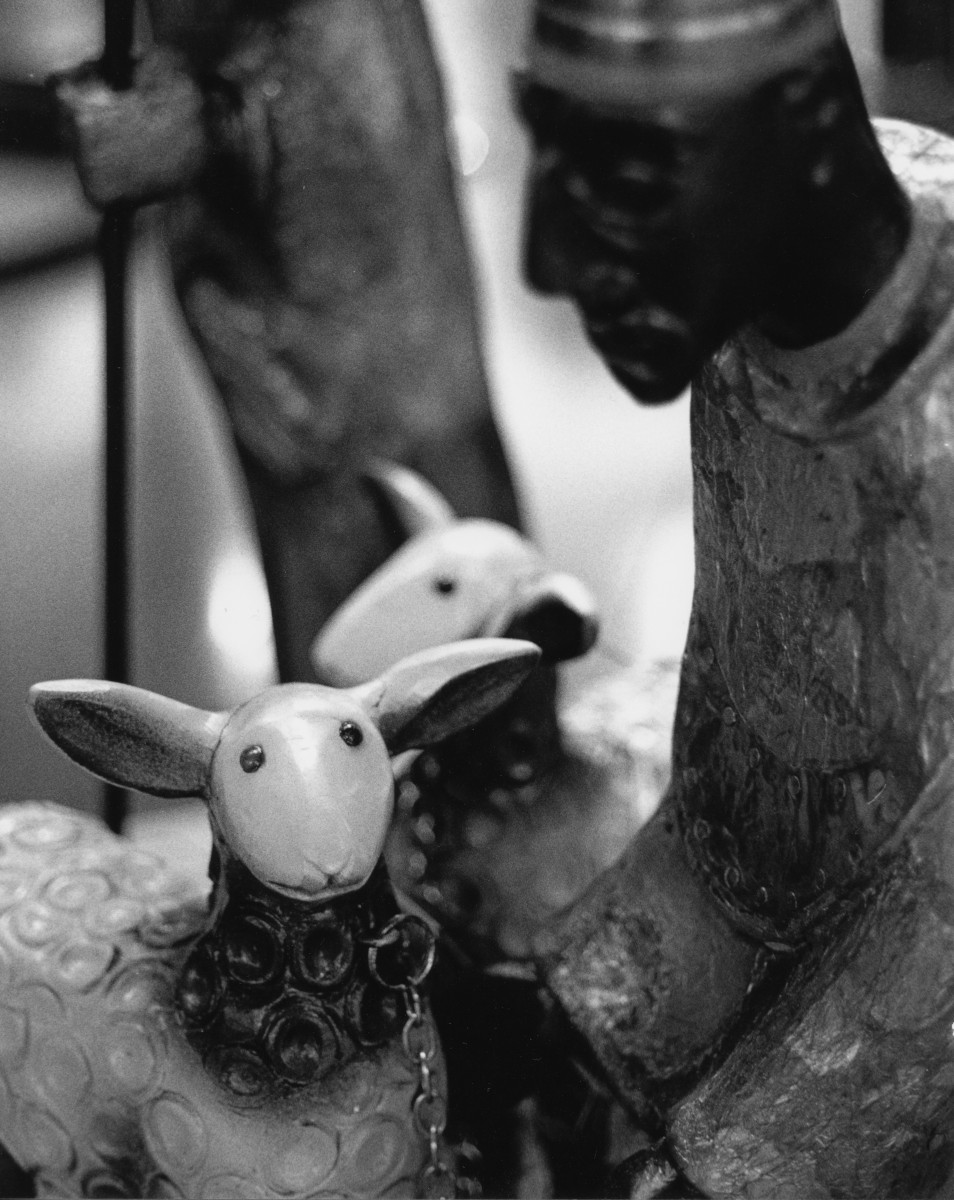
I think there’s something odd about discussing the weightiest matters for trivial ends. If I’m being honest, I think philosophers have lost sight of their true purpose, their ‘that for the sake of which’ they philosophise, especially about the problem of evil. Once upon a time, the purpose of philosophizing about the problem was to correct our attitude to the world, one way or another. Whether to alleviate our anxieties about pleasing the gods, or to remind us of our faulty opinions, or to reassure us about the ultimate underlying goodness of the physical world, we wanted to reconcile our…

An experiment with philosophy as a way of life
 tobybetenson.com