-
Romanticism and Livestock Farming
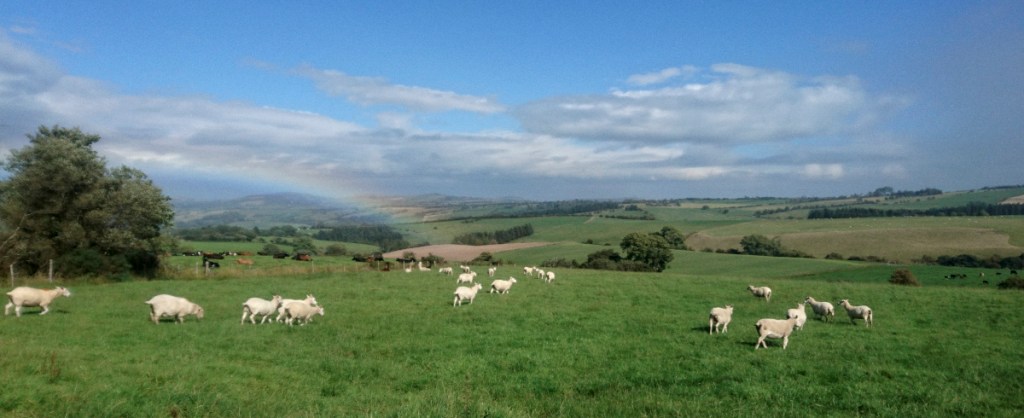
Those who speak positively about livestock farming are often accused of having fallen into an insidious ‘Romanticism’. They view these idyllic pastoral scenes with overly-sentimental eyes, and this clouds their judgement. Is this true? If it were, it might be a problem: it is important to see things clearly – undistorted – and sentimentalism is one of the many distortions of thought that can creep in, like prejudice and other forms of bias. […]
-
Diogenes the Cynic
Diogenes sees a mouse, happily running about, not looking for money or prestige, and finds a lesson in the mouse’s behaviour: Nature has given us a relatively easy life, but we’ve overlaid it with nonsense. We make life difficult for ourselves by wanting more than our nature needs. Diogenes implores us to realise this, offering us a walking talking living breathing lesson with his own example. […]
-
Antisthenes: Founder of the Cynic School of Thought
Antisthenes said he would rather go mad than experience pleasure. That is clearly hyperbolic, but it captures the more austere Socratic approach that can be seen in the early days of Cynic philosophy. […]
-
Dirty Water
If you think you are swimming in dirty water, you get out. You don’t keep swimming, adding to the filth.
-
Philosophy is Lost
Philosophy has lost its way. It is inconsistent with itself. It is not living in conformity with its nature. It believes itself to be profound and important, but what is characteristic of its daily activity is trivial and it produces trivialities.
-
Luxuries
Luxuries are a creeping and relative thing. The more you have the more it seems reasonable to have. And the more it seems reasonable to have, the more it seems unreasonable to go without. Soon you will call them necessities.
-
Healthy Cynicism
I’m not sure if Cynicism is healthy because I’m not sure what health is. But I do think that Cynicism has a healthy role to play: it is a healthy corrective to the nonsense of this world, the world that we have made for ourselves. My doubt serves as an introduction to a typically philosopher’s question. Not ‘is this or that thing healthy?’, which is a question we leave to the scientists, but ‘what is healthy’? What is the essence or best idea that we have of ‘health’? Here are some paradoxical answers characteristic of a Cynic’s idea: It is…
-
Can Virtue Be Taught?
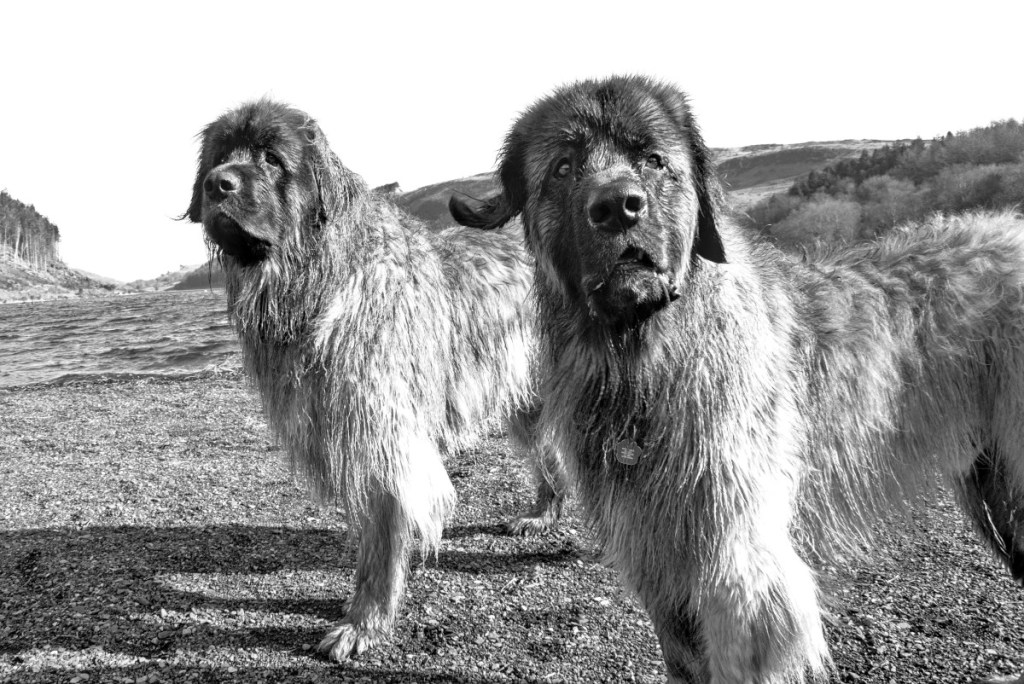
Why do the Cynics shout over the choir? Why do they so visibly show themselves walking the walk of the philosopher’s life? It is to teach us a lesson. What lesson? That virtue is all that really matters and everything else is a matter of indifference. In this they presume an important idea: that virtue can be taught. In their case they think it is something best taught by example and learnt through experience. Whether or not virtue can be taught was a hotly-debated topic in ancient philosophy. It is an idea that can be challenged. Ancient philosophers would point…
-
The Proper Time to Eat
‘What is the proper time to eat?’, someone asks Diogenes the Cynic. ‘When rich, whenever you want; when poor, whenever you can.’ A pithy phrase, apparently saying little. It is a seed. Perhaps you might remember it and reflect on it from time to time. At first glance it conveys a certain sense of living naturally: eat when hungry, sleep when tired, etc. Do as your nature wills. But perhaps there’s also a sense that the poor are unfortunate because they must do what they must and cannot do what they will. But isn’t Diogenes famous for being poor, and…
-
Craft Your Nature
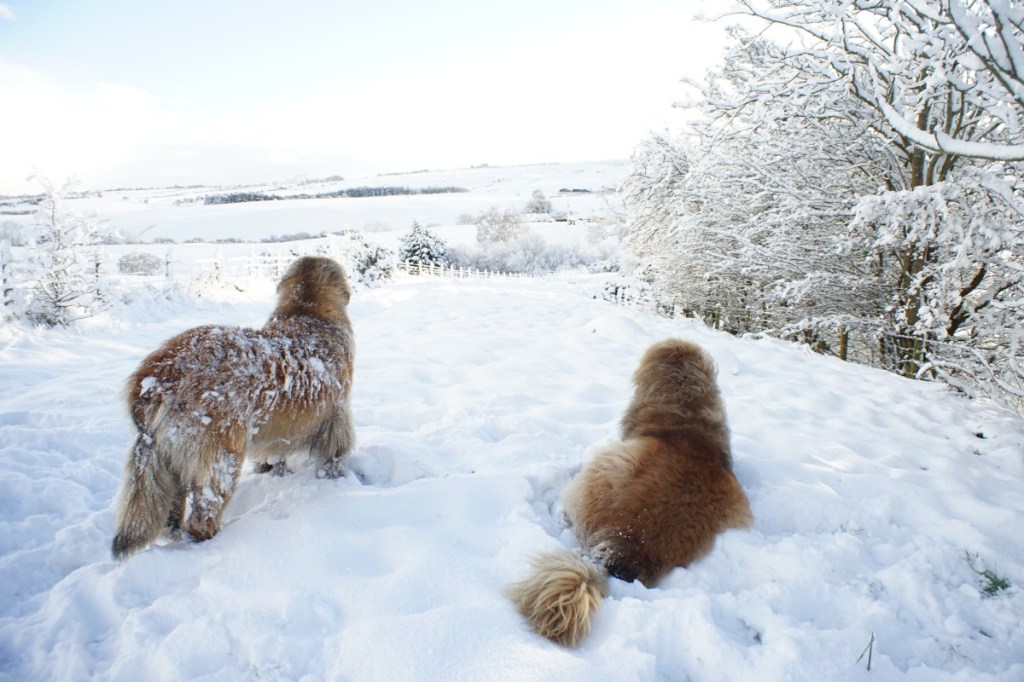
As natural as it should be to live in accordance with nature, we don’t take to it naturally. It takes practice and training and an amount of philosophical education to understand what nature requires and to align your will with those requirements. Our untrained nature often leads us astray. We’re naturally inclined to follow our desires for pleasure, for example, and will follow this desire far beyond any natural requirements, not realising these to be the small seeds of mistakes that will grow into entire forests; forests in which we will eventually get lost. We don’t like being poor. We…

An experiment with philosophy as a way of life
 tobybetenson.com